
"WP Grade 2"
60 article(s) found

Essex plus Chevy washed Wakayega native coffee beans, brand recommendation and manor
For professional baristas, please follow the introduction of the coffee workshop (Wechat official account cafe_style): this bean comes from a single farm Ethiopia and is processed by the Waka Cooperative (Worka cooperative). Alemayehu Alako Farm is a member of the Waka Cooperative. The Waka Cooperative, located in the south of Gedeb District, was founded in 2005 and joined the famous Yejia Xuefei that year.

Yega Chuefei water wash Waka taste fragrance Yega Chefe Coffee Coffee Type and Price
Professional barista communication please pay attention to the coffee workshop (Wechat official account cafe_style) factory name: Dazhen Coffee Qianjie Cafe location: 10 Baoqian Street, Guangzhou manufacturer contact information: 020-38364473 ingredients table: home baking shelf life: 90 net content: 227g packaging: raw and ripe coffee beans in bulk: whether coffee beans contain sugar: sugar-free origin: Ethiopia roasting process

Differences, distinctions and awards of coffee beans of Ethel é plus Chuefei washing Wakayega native species
Communication of professional baristas Please pay attention to the Coffee Workshop (Wechat official account cafe_style) compared with the traditional sun-treated Harald producing area, sun exposure is not common. As the first water washing plant in Ethiopia, coffee drinkers are more familiar with the water-washed Yejia, which is famous for its elegant lemon and citrus style. It is not easy to wash the flavor of coffee.

Yega Xuefei water wash Woka drink correctly the price of Yega Xuefei coffee beans
Professional baristas please follow the Coffee Workshop (Wechat official account cafe_style) Yejaschafe itself is a small town of about 20, 000 people, the three neighboring producing areas Wenago, Kochere and Gelena Abaya, because the flavor of the coffee is almost the same, so it is also classified into the Yejashaffe area. Yega snow caffeine, whether it's culture or

Esseyega Shefi Washed Wokayega Original Coffee Bean Flavor Characteristics, Producing Areas and Brewing Parameters
Professional barista communication Please pay attention to coffee workshop (Weixin Official Accounts cafe_style ) Yirgacheffe refining method is mostly washed refining method, placed in washing tank for about 72 hours fermentation shelling, directly dried outside the factory. After the raw beans are manually selected, the quality inspection of the Ethiopian coffee cocoa management organization is qualified, and the bidding is carried out.

What's the taste of Yega Coffee? how do you make Yega Chefe Coffee?
For professional baristas, please follow the introduction of the coffee workshop (Wechat official account cafe_style): this bean comes from a single farm Ethiopia and is processed by the Waka Cooperative (Worka cooperative). Alemayehu Alako Farm is a member of the Waka Cooperative. The Waka Cooperative, located in the south of Gedeb District, was founded in 2005 and joined the famous Yejia Xuefei that year.

Yejia Coffee Coffee Leguminosae Cher G1 taste description introduction of grinding scale
Yega Xuefei Coffee adopts the oldest sun treatment, but in 1972, Ethiopia introduced Central and South American water washing technology to improve its quality, which made the jasmine and citrus aromas of Yejia Chefe clearer and more refined. It has become the best product of the world's boutique beans, and its superb washing technology has played an important role in water washing since the 1970s. However, in the past two years, Yega has basically been washed.

Yega Chuefei washes Waka Flavor description which brand of Yega Coffee is good
Communication of professional baristas Please pay attention to the Coffee Workshop (Wechat official account cafe_style) compared with the traditional sun-treated Harald producing area, sun exposure is not common. As the first water washing plant in Ethiopia, coffee drinkers are more familiar with the water-washed Yejia, which is famous for its elegant lemon and citrus style. It is not easy to wash the flavor of coffee.

Yega Xuefei Water washing Waka Coffee producing area introduces how to brew Yega Xuefei Coffee
For professional baristas, please follow the introduction of the coffee workshop (Wechat official account cafe_style): this bean comes from a single farm Ethiopia and is processed by the Waka Cooperative (Worka cooperative). Alemayehu Alako Farm is a member of the Waka Cooperative. The Waka Cooperative, located in the south of Gedeb District, was founded in 2005 and joined the famous Yejia Xuefei that year.

Is it good to wash Woka Coffee? the method of making Yega Chefe Coffee
Communication of professional baristas Please pay attention to the Coffee Workshop (Wechat official account cafe_style) compared with the traditional sun-treated Harald producing area, sun exposure is not common. As the first water washing plant in Ethiopia, coffee drinkers are more familiar with the water-washed Yejia, which is famous for its elegant lemon and citrus style. It is not easy to wash the flavor of coffee.

Yega Xuefei water wash Waka hand flushing data Yega Xuefei water wash Waka how to drink
For the exchange of professional baristas, please pay attention to the hand-washed woca in the coffee workshop (Wechat official account cafe_style). 15g powder, medium fineness grinding (small Fuji ghost tooth cutter 3.5 grinding), v60 filter cup, 90-92 degrees water temperature, the first water injection 30g water, 27 seconds of steaming, injection to 105g water cut off, wait for the powder bed water to half and then water injection, slow water injection until 225g water, tail

Full-bodied Ethiopian Yega Sheffield Coffee Flavor Taste Manor Description
The main coffee producing areas in Ethiopia are Harar in the east, Djimmah in the southwest and Sidamo in the south. Yirgacheffe, which has a unique aroma, comes from a small town called Yirga in the northwest of Sidamo province. Yirgacheffe among coffee connoisseurs worldwide

Yerga Sherphine Cochel G1 Taste Description Flavor Variety Region Coffee Bean Estate Introduction
Yerga Sherphine Cochel G1 Taste Description Flavor Variety Area of origin Coffee bean estate introduction, sun exposure Yerga Sherphine has strict collection of red fruit (coffee tree fruit) standards, before the exposure of coffee fruit to artificial removal of immature green fruit or defective fruit, sun exposure process and then remove damaged or moldy fruit, two weeks after the pulp sugar and essence of all into the coffee beans, moisture content reduced to 12%,

Ethiopian coffee beans Yega Xuefei water wash Waka how to cook good?
Ethiopia Yega Xuefei water wash Waka how to cook good? Woka is located in the southeastern Jietipu producing area (Gedeb) of Yejia Sheffield. In the early years, the area used the name of Waka to export locally grown coffee beans or handed over to the Waka Cooperative for processing. But in the past two or three years, independent single sources have been unearthed by coffee hunters all over the world, such as

Flavor description of Salvadoran coffee beans introduction to the grinding scale of the treatment method in the manor area
The flavor description of Salvadoran coffee beans the grinding scale of the processing method in the manor region introduces that the rarest coffee beans on the market in Ethiopia are Yirgachaffe coffee beans, which are exported to Japan and Europe, but are rarely seen in the United States. This is because Dallmeyer, the German coffee roaster owned by Nestle, is the same company.
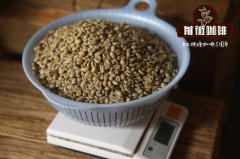
Knowledge about coffee raw beans classification and nomenclature of coffee in different countries
What exactly do G1, G2, G3, G4, AA, PB, SHB, SHG, EP and PLANTATION represent? The name of a coffee may contain messages such as country, producing area, variety, treatment, cup quality, bean order, bean shape or color, defect, raw bean density, etc. To really understand the naming of coffee, we must first understand the classification and classification of coffee. The grading of coffee

Introduction to Sidamo Gedeo District, Sidamo Province, Ye Jia Xue Coffee production area
Following Caf é (Wechat official account vdailycom) found that Beautiful Caf é opened its own shop in the Sidamo Gedeo district of West Damo province, Ethiopia is an important coffee producing country with about 12 million people engaged in coffee production and is a major exporter of Arabica coffee beans in Africa. The high-quality coffee here is of excellent quality and is worth looking for. In Ethiopia
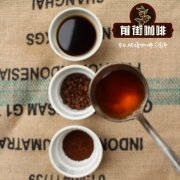
What are the common ways to handle raw coffee beans? What is the difference between solarization and washing? Coffee-producing country
Professional coffee knowledge exchange more information about coffee beans Please follow the common handling methods of raw coffee beans in the coffee workshop (Wechat official account cafe_style). What is the difference between solarization and washing? What is the grading system of raw beans in large coffee-producing countries? 1. Grading: after the seeds are taken out, the seeds are screened and graded, and Guatemala, Costa Rica and other countries are rated according to the planting height.

Flavor characteristics of Java coffee beans in Indonesia _ how much is Java java coffee beans _ where can I buy Java coffee beans
Professional coffee knowledge exchange more information about coffee beans please follow the coffee workshop (Wechat official account cafe_style) Indonesia, the country of the Thousand Islands, is the country with the largest number of islands in the world. When it comes to Indonesia, the most familiar is probably the resort island of Bali. Today, Xiao Le would like to introduce Java coffee in Indonesia. The wind of Indonesian coffee
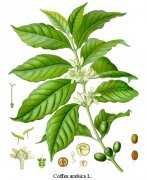
Coffee cultivation techniques detailed explanation of planting knowledge of Coffee trees
Coffee, cocoa and tea are called the three major beverages in the world, and their output, consumption and output value all rank first. In addition to being used as a beverage, coffee can also extract caffeine and coffee oil; in medicine, it can be used as an anesthetic, stimulant and diuretic cardiotonic agent. Coffee pulp can be used to make wine, vinegar, pectin and molasses; dried pulp can be used as animal feed; dried fruit shell can be used as fertilizer and burning